


Even the most experienced cooks sometimes need reassurance when caring for their iron pans. But don't worry—caring for your AUS-ION™ wrought iron pans isn't as tricky as it may seem. Remember, it's not about achieving a flawless finish - it's about performance. Nurturing your iron pan's natural, non-stick surface (patina) is the key to better health, cooking, and a more sustainable future.
Made from clean Aussie iron and free of toxic, synthetic coatings, AUS-ION™ pans are some of the safest fry pans around which are forever renewable. Our non-Teflon pans come naturally seasoned and are designed to last for generations.
Why AUS-ION™?
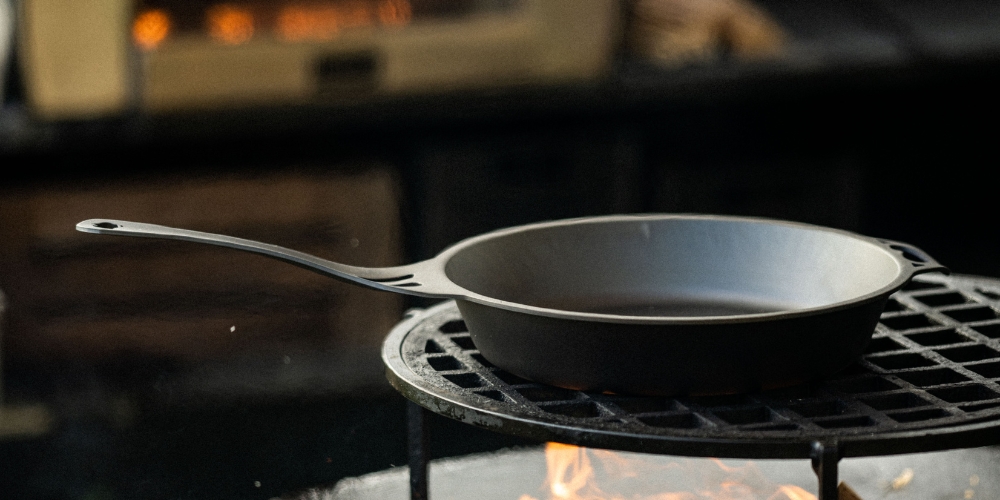
Made from high-quality, clean Aussie iron, AUS-ION™ pans are free from harmful PFAS and synthetic coatings, ensuring superior performance without harsh chemicals.
The surface of your AUS-ION pan is naturally designed to build and maintain a healthy, non-stick layer over time. As you cook, the seasoning evolves, giving the pan its unique character. While it's lighter than traditional cast iron, it requires similar care to keep it in top shape.
Much like our nöni™ stainless steel range, AUS-ION™ pans are highly conductive, durable, and suitable for all heat sources—making them incredibly versatile. Whether frying, grilling, baking, or caramelising, these pans are perfect for everyday cooking with oils and fats. With proper care, they get even better with age, delivering exceptional cooking performance.
Get to Know Your AUS-ION™ Pan
Seasoning is Simple
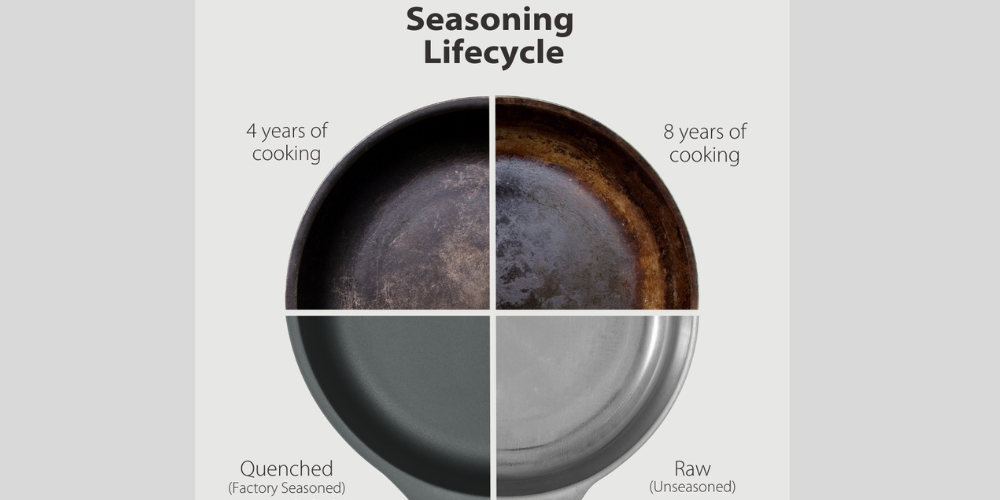
Understanding the seasoning process is key to getting the most out of your iron pan. Seasoning is simply layers of oil baked onto the pan, creating a natural, easy-release cooking surface (or "patina") through polymerization.
While you can top up your seasoning on the stovetop or in the oven, regular use improves the patina, enriching both the cooking surface and the flavours of your dishes. As your patina develops, you'll notice you need less oil to cook, making it a healthier alternative to synthetic, non-stick pans.
.jpg)
Perfectly Patchy
Patchy or scratched pans are perfectly healthy. Over time, your pan will develop a unique character—shifting from deep brown to black, with occasional grey patches. This evolving surface is normal and adds personality to your cookware. Your pan's surface evolves with every use, so there's no need for visual perfection. It's about superior, naturally non-stick performance.
.jpg)
Our Pans Get Better with Age
To strengthen the non-stick surface of your pan, cook with plenty of fats and oils, especially during the early stages. Avoid acidic foods like tomatoes or lemons at first, as they can hinder seasoning. With continued use, your pan will become a non-stick powerhouse, delivering exceptional performance for generations.
Fixing Common Seasoning Issues
The following issues are a normal part of getting to know your iron pan and the seasoning process.
Uneven Seasoning: It's common for seasoning to develop unevenly at first. With regular cooking, especially with oils and fats, the surface will become more even and non-stick.
Flaking or Peeling Seasoning: Flakes are just excess seasoning, not a pan defect. Gently scrub your pan clean, then continue cooking to naturally rebuild the seasoning or use our stovetop seasoning method.
Black Specs in Food: These are usually caused by food residue or weak seasoning. Lightly scrub the pan with a scourer or salt and oil, rinse, and then quickly season the pan on the stovetop or cook with fats/oils to restore a smooth surface.
Rough Patches are usually carbonised food that sticks to new food like velcro. Use a strong scraper to gently smooth the surface, then quickly season on the stovetop or cook with fats and oils to build the seasoning naturally.
Sticky Spots are caused by excess oil that hasn't fully polymerized. To remedy, simply heat the pan to a medium heat, then wipe the spots away with a cloth or paper towel. For a deeper fix, bake the pan upside down at 250°C (480°F) for 90 minutes in the oven.
Scratched seasoning: Don't worry if your pan gets scratched—that's just seasoning coming off. With continued use, the surface (patina) will naturally fill in again.
Stripped seasoning: If the seasoning looks bare after heavy cleaning or cooking acidic dishes, don't panic! With regular use, the seasoning will build back up. Simply follow our simple stovetop or oven seasoning method.
Cook the Right Way
- Preheat your pan slowly and avoid overheating: AUS-ION™ cookware is highly conductive, so always preheat on Low to Medium Heat. High heat can damage the seasoning. Once the pan is warm, add oil and allow it to heat up before cooking.
- Maintain a smooth surface: Rough patches on your pan can cause food to stick. Gently scrape off any bumps to keep the surface smooth.
- Let food release naturally: Wait for food to release naturally from the pan before flipping or turning. This improves flavour and texture while making cleanup easier!
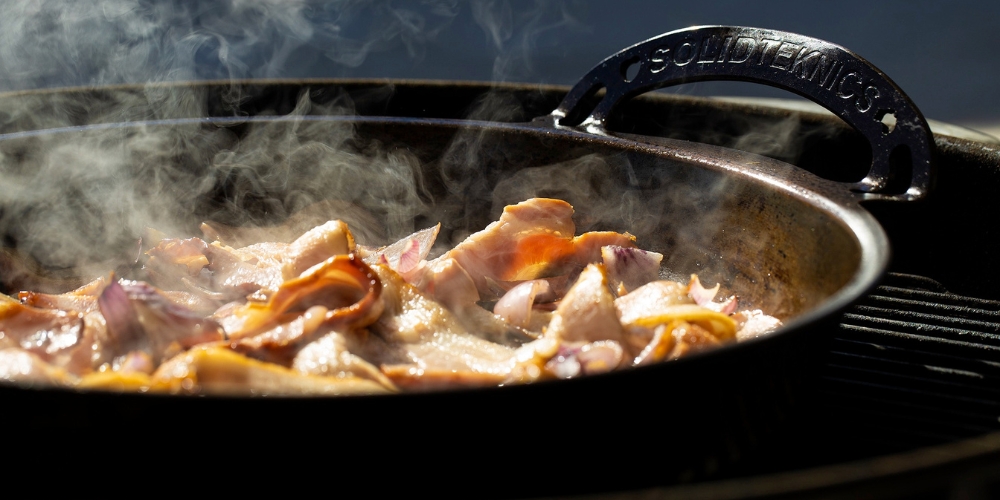
- Cook with fatty foods and oils: Foods like bacon or sausages strengthen the seasoning and help the non-stick surface develop.
- Re-season when necessary: If food starts sticking more than usual, apply a thin layer of oil and heat gently to refresh the surface.
Iron Pro Care Tips
- Dry your pan immediately after washing to prevent rust. Use a soft towel or heat it on the stovetop to ensure it's fully dry before storing.
- Apply a thin layer of oil after every use and use a cloth or paper towel to wipe off the excess.
- Use the right cleaning tools and methods: Chain mail scrubbers, stiff brushes, or non-abrasive cloths paired with hot water are ideal for removing stuck-on food without damaging your seasoning.
Cleaning Tips for Stubborn Issues
.jpg)
Please avoid:
- Dishwashers: Never wash your iron pans in a dishwasher—it strips away the seasoning and promotes rust.
- Excessive water exposure: Avoid leaving hot pans in cold water or soaking them for long periods.
- Harsh detergents: A mild detergent is fine if you need it, just try to steer clear of anything harsh or heavily scented.
- Storing food in iron pans for extended periods.
Rust Removal
Surface rust is common if you've stored your pan without use for long periods or exposed it to excess humidity. Rust removal is very simple.
For Light Rust: Salt and Oil Scrub
- Sprinkle coarse salt generously over the rusted area.
- Add a small amount of oil to the surface (optional).
- Use a cloth or paper towel to scrub the affected area, removing rust and smoothing out rough textures.
- Once done, wipe the pan clean, or wash and dry it thoroughly.
.gif)
For Heavy Rust: Scouring Pad or Sandpaper
- For stubborn rust, wet the pan with cold water.
- Use a scouring pad to scrub the rusted area. For severe rust, sandpaper may be required.
- Once the rust is removed, wash the pan thoroughly to remove any debris.
- Dry the pan and apply a thin layer of oil to protect the surface.
Stuck-on Food
- Water Boil Method: Fill your pan with water and bring it to a boil. Boiling helps loosen stubborn food residue for easier removal.
- Use the Lil' Flippa Tool: For tougher bits, use our Lil' Flippa Tool to gently dislodge stuck food. This method works best on a warm pan.
Burnt Spots: Baking Soda Paste
For burnt spots, mix baking soda with water to create a paste. Gently scrub the paste onto the burnt spots using a cloth, scrubber, or brush. Then wash and rinse your pan as usual, and be sure to dry thoroughly.
With a little care, your AUS-ION™ pans will improve with every use and last a lifetime. Unlike toxic, disposable cookware, our sustainable, renewable iron pans get better with age.

